
Ballet, Jazz, Tap, or Contemporary: Which Dance Class Should My Child Take First?
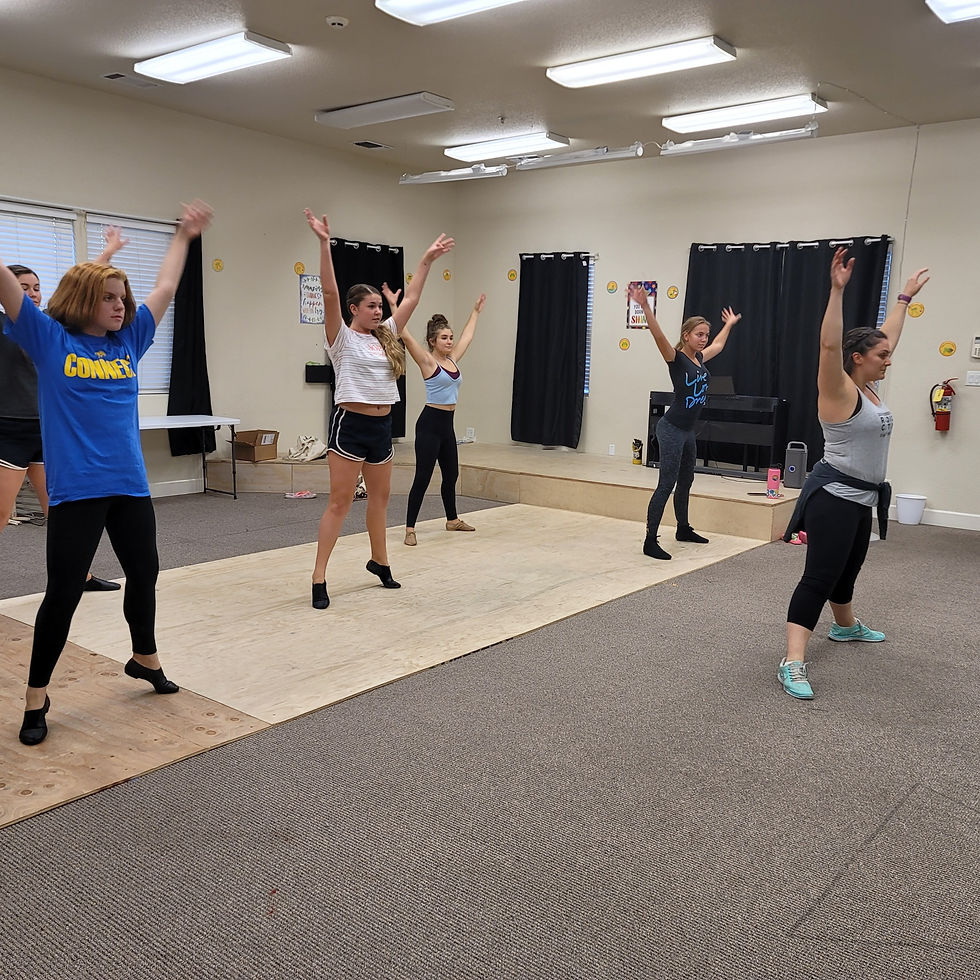
Ballet, jazz, tap, and contemporary each teach something different—but there is no single dance style that every child must take first.
Ballet provides an excellent technical foundation, but the best first class is usually the one that makes your child excited want to keep dancing.
Does your child love telling stories through movement? Making rhythms with their feet? Learning energetic choreography? Dreaming about performing in a musical? Their personality and interests can help you choose.
What Is Ballet?
Ballet teaches alignment, posture, balance, flexibility, strength, and precise movement. Dancers learn a shared vocabulary that appears in many other dance styles, making ballet a valuable technical foundation.
Ballet may be a good first choice for a child who:
Enjoys structure and detail
Loves graceful movement and storytelling
Wants to build strong foundational technique
Dreams of studying several dance styles
Is excited about tutus, classical music, or traditional ballet
Ballet is often called the "foundation of dance," but that does not mean every child must begin there. A technically perfect starting point is not especially helpful if your child does not enjoy the class enough to continue.
What Is Jazz Dance?
Jazz is energetic, expressive, and commonly used in musical theatre and commercial dance. Classes often include isolations, turns, leaps, kicks, stretching, and choreography performed to upbeat music.
Jazz may be a good first choice for a child who:
Loves high-energy music and movement
Enjoys performing and showing personality
Wants to dance in musical theatre productions
Is excited by turns, leaps, and kicks
Likes choreography that feels lively and theatrical
For aspiring musical theatre performers, jazz is especially useful because it develops both dance technique and performance quality.
What Is Tap Dance?
Tap transforms a dancer's feet into an instrument. Students learn steps, rhythm patterns, musicality, timing, and how to listen and move at the same time.
Tap may be a good first choice for a child who:
Is always tapping, drumming, or making rhythms
Loves music and sound
Enjoys patterns, puzzles, and repetition
Wants to perform in musical theatre
Likes the idea of making noise on purpose
Tap develops coordination and musical awareness in a way few other activities can. It is also an extremely useful skill for young performers because trained tap dancers can be difficult to find when schools and theatre companies need them!
What Is Contemporary Dance?
Contemporary dance combines technical training with creativity, emotion, and storytelling. It may draw from ballet, jazz, modern dance, improvisation, and other movement styles.
Contemporary may be a good choice for a child who:
Loves expressing ideas and emotions through movement
Enjoys creative exploration
Is drawn to lyrical or dramatic music
Wants more freedom than a traditional ballet class provides
Already has some ballet or jazz experience
Contemporary can be a wonderful entry point for the right student, although younger dancers often benefit from first developing coordination and foundational skills through ballet, jazz, creative movement, or a combination class.
Which Dance Style Is Best for Musical Theatre?
For a child interested in school plays or musical theatre, jazz is often the most immediately useful choice. Tap can provide an additional specialty skill, while ballet helps build the alignment, control, and vocabulary that support more advanced dancing.
The strongest musical theatre dancers eventually study more than one style—but they do not need to begin everything at once.
Starting with one enjoyable, age-appropriate class allows a new dancer to build confidence without becoming overwhelmed.
What If My Child Is Very Young?
Young children do not always need to choose a specialty immediately. An age-appropriate creative movement or combination class can introduce rhythm, coordination, classroom etiquette, and basic dance vocabulary while allowing children to experience more than one kind of movement.
As dancers grow, their teachers can help families identify the styles that best match their interests, strengths, and goals.
So, Which Dance Class Should We Pick First?
If your child already has a strong preference, begin there. Genuine excitement is one of the best predictors that a child will participate, practice, and continue learning.
If they are unsure, consider what naturally captures their attention:
Choose ballet for structure, grace, and foundational technique.
Choose jazz for energy, performance, and musical theatre.
Choose tap for rhythm, sound, and coordination.
Choose contemporary for creativity, emotion, and expressive movement.
Choose a combination class for a young dancer who would benefit from exploring.
There is no wrong first choice. A child who loves dancing can add complementary styles as they grow.
Tamraloo Studios helps families from Lincoln, Twelve Bridges, West Roseville, Rocklin, and surrounding communities find classes that fit each student's age, experience, interests, and goals. If you are still unsure where your child belongs, contact our team. We would be happy to recommend a place to begin.


Comments