
How Do I Know If My Child Has Musical Talent (And Does It Matter)?

Many years ago, a mom reached out to me. Her daughter had just been cast in a "pay to play" musical, meaning Mom had paid a substantial entrance fee for her daughter to participate, and her daughter — along with every other kid who could pay — was, of course, cast. She happened to land a sizable role, and Mom was proud and excited, as she should have been. But when she texted me, her question wasn't about how to prep for the show or what precautions she'd need to take to keep her daughter's voice healthy. She asked me how she could tell if her daughter was really good at this, or if she was just getting roles because she was paying an entrance fee.
Honestly, I've thought that myself every time I've watched my own kids perform. I've had to remind myself that, if we look at the bigger picture, talent is just one piece of a glorious tableau of factors that lead to a masterpiece.
What "Talent" Actually Looks Like Early On

Early musical talent rarely looks like the kid from America's Got Talent belting out a perfect solo. More often, it looks like small, quiet things, such as a kid who can clap a rhythm back to you correctly on the first try, or hum a tune they heard once, or notice when something sounds "wrong" before they have the words to explain why. It's less about polish and more about ear; how naturally a child seems to notice and respond to sound. If that's been your experience with your child, wonderful! But I want to gently push back on the premise of the question itself, because I don't think "does my child have talent" is actually the question that predicts whether music will be good for them.
What Actually Matters More Than Talent

What I've noticed after three decades of teaching, coaching, and directing is that the kids who go the farthest and love it the longest are almost never the ones who started out the most naturally gifted. They're the ones with curiosity, who want to know how the song works, who ask to try it again. They're the ones with persistence, who can sit with mistakes and keep going anyway. And they're the ones who simply enjoy it, because a child who's having fun will practice, and a child who practices will improve, talent or not.
I've watched "naturally gifted" kids quit within a year because they never learned to push through the hard, seemingly boring middle part of learning an instrument. And I've watched kids who couldn't clap a steady beat to save their lives at age six turn into confident, joyful musicians by the time they're teenagers simply because they stuck with it and had teachers who made it feel worth sticking with. This is why, whenever I teach, one of the first things we work on is embracing mistakes, flubs, and mess-ups, and learning to laugh at them. I like to tell my students, "Look, if you knew how to do this, you wouldn't get to be here, and I'd be out of a job." We laugh together at the voice cracks and the fingering mishaps and the restarts. Because, after all, that's how we progress.
So Does Talent Matter At All?
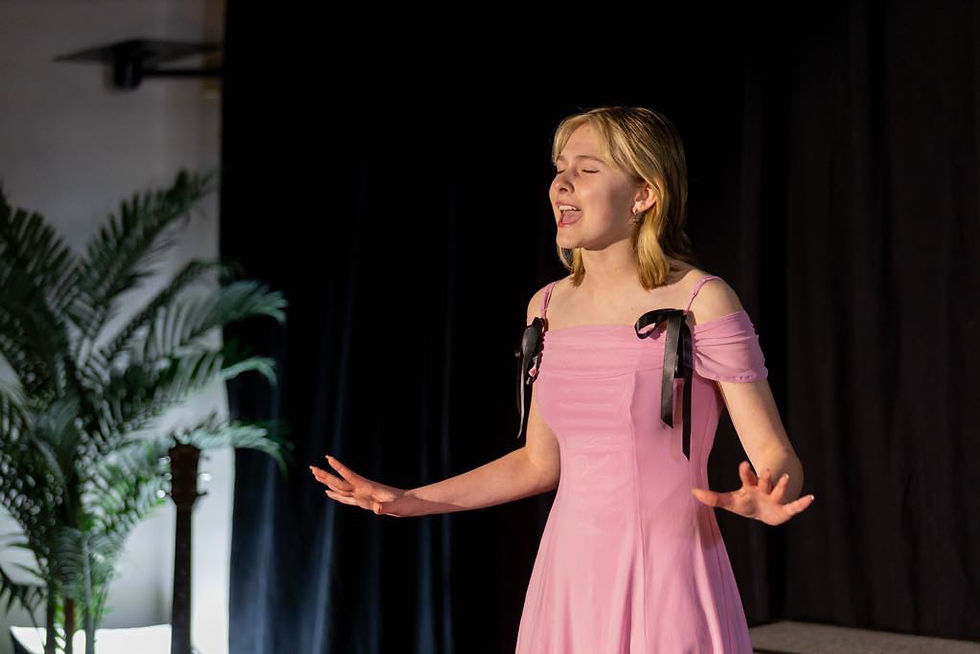
Absolutely. A child with a strong natural ear may move a bit faster at first, and that's a nice head start. But talent without follow-through fades, and follow-through without talent still gets you somewhere wonderful. If you're waiting to see "real talent" before you commit to lessons, you might be waiting for the wrong sign. One of my most successful students started out with more enthusiasm than I've ever seen in a child younger than six, but almost no musical ear. They struggled with pitch from day one, and their natural tone was vastly different from the current popular sound. But they worked harder than anyone I've ever known, and went on to be cast in dream roles, win scholarship opportunities, and even parlay their singing and acting chops into a job that pays real money. Perseverance is a talent unto itself.
What I'd Watch For Instead
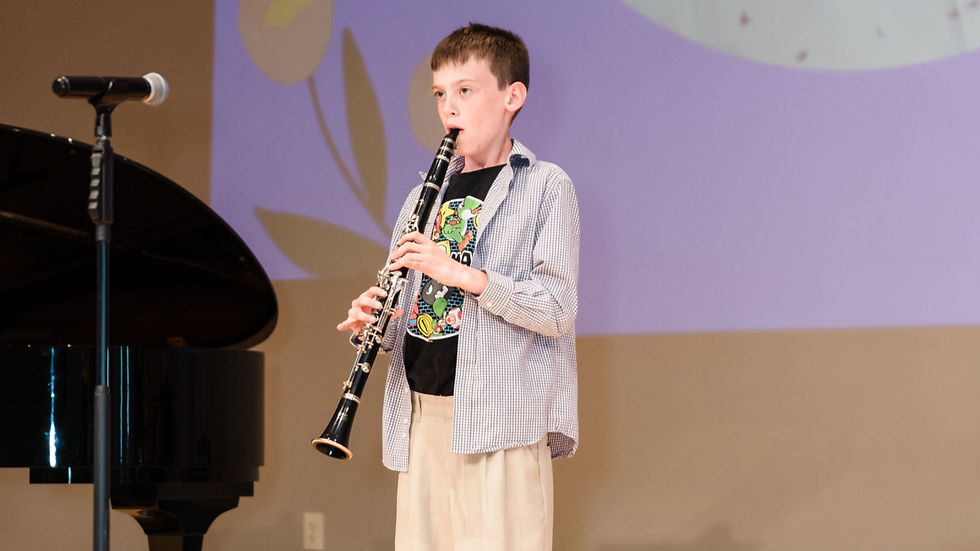
If you're trying to gauge whether music is worth pursuing for your child, forget testing their ear for a second and watch these instead:
Do they ask for it? A child who requests the piano, hums along in the car, or asks "can I try that again" is telling you something more useful than any pitch test could.
Do they light up during it, even briefly? Not every second of every lesson (nobody loves every minute of anything), but is there a spark somewhere in there?
Do they come back to it on their own? Unprompted noodling on an instrument, or singing around the house, is one of the strongest signs there is.
The Bottom Line

Talent will usually get a child through the first few weeks. But it's curiosity, persistence, and genuine enjoyment that get them through the years. So if you're wondering whether your child is "talented enough" to start, please don't let that be the deciding factor. Start because they're curious. The talent, if it's there, will reveal itself in its own time. And if it's not the type of talent that will win Simon Cowell's heart? That's not a stopping point either. Some of the most joyful musicians I know were never the most "gifted" ones in the room. They were just the ones who never stopped showing up.
Comments